Memory<T> in C#: Asynchronous Memory Handling, Performance and Span Integration
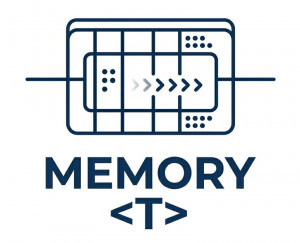
Memory<T> is a type in C# that represents a contiguous region of memory and is designed to be used in both synchronous and asynchronous programming scenarios.
It is part of the modern .NET memory management ecosystem and works closely with Span<T>, but unlike Span, it can live on the heap and be safely used across async/await boundaries.
Memory<T> is commonly used in:
• High-performance APIs
• Networking pipelines
• File I/O systems
• Serialization frameworks
• Cloud-native microservices
Why Do We Use Memory<T>?
In high-performance applications, data often needs to be processed asynchronously without blocking threads or copying buffers unnecessarily.
Memory<T> provides a safe abstraction that allows:
• Async-compatible memory handling
• Reduced allocations compared to arrays
• Efficient slicing without copying
• Interoperability with Span<T>
It is especially useful when working with streaming data or pipelines.
When Should You Use Memory<T>?
Memory<T> is the right choice when:
• You need async/await compatibility
• You are building pipelines or streams
• Data processing happens over time
• You need safe heap-based memory views
Typical scenarios include:
• Network socket communication
• File streaming APIs
• Message processing systems
• Serialization/deserialization pipelines
• Background worker services
How Memory<T> Works
Memory<T> acts as a wrapper around an underlying array or memory block.
Unlike Span<T>, it is not restricted to the stack, meaning it can be stored in classes, fields, and used across asynchronous methods.
When needed, Memory<T> can be converted to Span<T> for synchronous high-performance operations.
Basic Example of Memory<T>
int[] data = { 10, 20, 30, 40, 50 };
Memory<int> memory = data;
Memory<int> slice = memory.Slice(1, 3);
This creates a view over the array without copying data.
Memory<T> with Async Methods
One of the biggest advantages of Memory<T> is async compatibility.
public async Task ProcessAsync(Memory<byte> buffer)
{
await Task.Delay(100);
Span<byte> span = buffer.Span;
span[0] = 1;
}
This allows memory to be safely used across await boundaries.
Memory<T> vs Span<T>
| Feature | Memory<T> | Span<T> |
|---|---|---|
| Storage | Heap-based | Stack-only |
| Async support | Yes | No |
| Performance | Slightly slower | Faster |
| Slicing | Supported | Supported |
| Use case | Async pipelines | Sync high-performance code |
ReadOnlyMemory<T>
ReadOnlyMemory<T> is an immutable version of Memory<T>.
It ensures that the underlying data cannot be modified, which is useful for safe data sharing.
ReadOnlyMemory<char> text = "Hello World".AsMemory();
Performance Characteristics
Memory<T> is designed for efficiency, but it introduces a small overhead compared to Span<T> because:
• It is heap-based
• It supports async lifetime tracking
• It has additional abstraction layers
However, it still avoids unnecessary allocations when used correctly.
Real-World Use Cases
• Network buffering systems
• File streaming APIs
• High-throughput message processing
• ASP.NET Core pipelines
• Kafka-like message consumers
• Serialization frameworks
Advantages of Memory<T>
• Supports async/await
• Reduces unnecessary allocations
• Safe memory abstraction
• Works with pipelines
• Compatible with Span<T>
Disadvantages of Memory<T>
• Slightly slower than Span<T>
• More complex abstraction
• Requires careful lifetime management
• Can still cause allocations if misused
Common Mistakes
• Using Memory<T> when Span<T> is sufficient
• Ignoring conversion costs between Memory and Span
• Overusing slicing in performance-critical loops
• Misunderstanding async overhead
Best Practices
• Use Memory<T> for async scenarios
• Use Span<T> for synchronous hot paths
• Prefer ReadOnlyMemory<T> for immutable data
• Avoid unnecessary conversions
Conclusion
Memory<T> is a key part of modern .NET memory handling, enabling safe and efficient data processing in asynchronous applications.
When combined with Span<T>, it provides a powerful dual model for both synchronous and asynchronous high-performance programming.